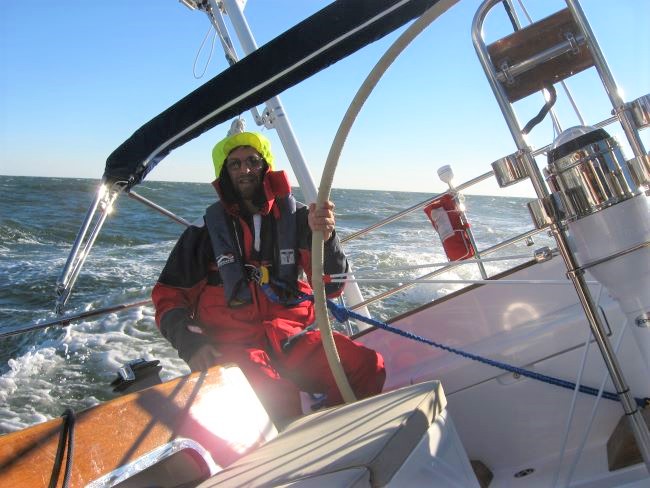
I’ve been fortunate enough to have spent a lot of time at sea aboard cruising boats on passages both short and long. There’s a process called getting your sea legs that describes adapting your body, your inner ear, your diurnal rhythms and sleep patterns to the business of sailing watch upon watch 24 hours a day on a boat that is always in motion. The goal is to become completely comfortable with the new shipboard routine and that really starts a few days before departure by getting extra sleep, cutting back on both alcohol and greasy foods and perhaps starting your motion sickness meds. When possible, we like to wave goodbye to our friends and families and, instead of heading directly offshore, sail to a secure and quiet anchorage for the first night so we can finish battening down the boat, get the latest weather forecast and move into a seagoing frame of mind. In the first three days offshore, the most important thing for all crew is to make sure you sleep when off watch. That’s a key part of the job. Tiredness leads to bad decisions, which can cascade into real problems. A well-rested, well-fed crew is a safe crew. For many of us, it takes two full days to get our sea legs back under us again. Often, I will awake from a nap on the third day out and feel like a new man and fully into the new routine. Once there, once you’ve got your sea legs, you can go on it this mode indefinitely. My longest offshore passage was 25 days and I remember well arriving at our landfall with the crew all happy, healthy and well rested. But, be careful when you step ashore because it’s going to take some time to get your land legs back.


You Might Also Like






Please Visit Our Sponsor’s Webpages