Biosecurity officials in New Zealand are yet to decide if two yachties they believe deliberately concealed fruit while sailing into Northland will be prosecuted for potentially putting the country’s $3.5 billion horticulture industry at risk.
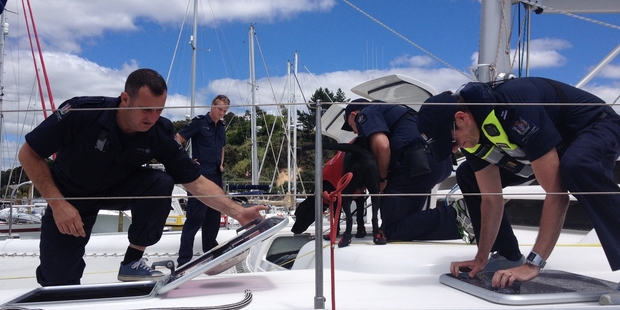
The hidden fruit was found when Ministry of Primary Industry staff and a special sniffer dog named Snoop checked boats heading to Opua and Whangarei.
Biosecurity checks have been ramped up following the discovery of two Queensland fruit flies in Whangarei earlier this year. The finds sparked major detection and containment exercises costing more than $2 million.
Although there was little evidence to suggest the invaders arrived on boats moored at the nearby Whangarei Town Basin, the incidents spurred MPI to up its biosecurity checks of visiting yachts.
MPI inspectors have been spreading the message at yachties’ favourite gathering points in Fiji and Tonga, the navy has sent out inshore patrol vessels to make sure visitors are using official entry points at Opua and Marsden Cove, and eight extra biosecurity inspectors have been checking boats as they arrive.
Snoop, a black labrador, and the extra “rummaging teams”, which search vessels for biosecurity risks after the initial inspection, wound up their mission on December 6 as the last vessels arrived in Northland ahead of the approaching cyclone season.
MPI was investigating two possible cases of fruit which had been deliberately hidden. A decision on prosecution had yet to be made.
MPI north ports manager Sharon Tohovaka said Snoop and his human colleagues had confirmed that most yachts arriving in Northland complied with biosecurity requirements.
Staff had inspected 308 yachts at Opua and 73 at Marsden Cove, seizing items like dried food stores. Those items appeared to have been overlooked rather than deliberately concealed.
Ms Tohovaka believed the vast majority of yachties wanted to follow the rules and most seizures were a result of a lack of understanding of New Zealand’s biosecurity rules. More education about biosecurity requirements was needed, she said.
To that end MPI inspectors would return to Musket Cove in Fiji and Vava’u in Tonga, the main departure points in the South Pacific, before the next season started.
Courtesy of www.nzherald.co.nz